
The DTC Era Is Accelerating in Mobile Game Revenue
Google Play and Unity are pushing mobile games toward direct-to-consumer monetization, with web stores, alternative billing, and hybrid revenue models becoming central.
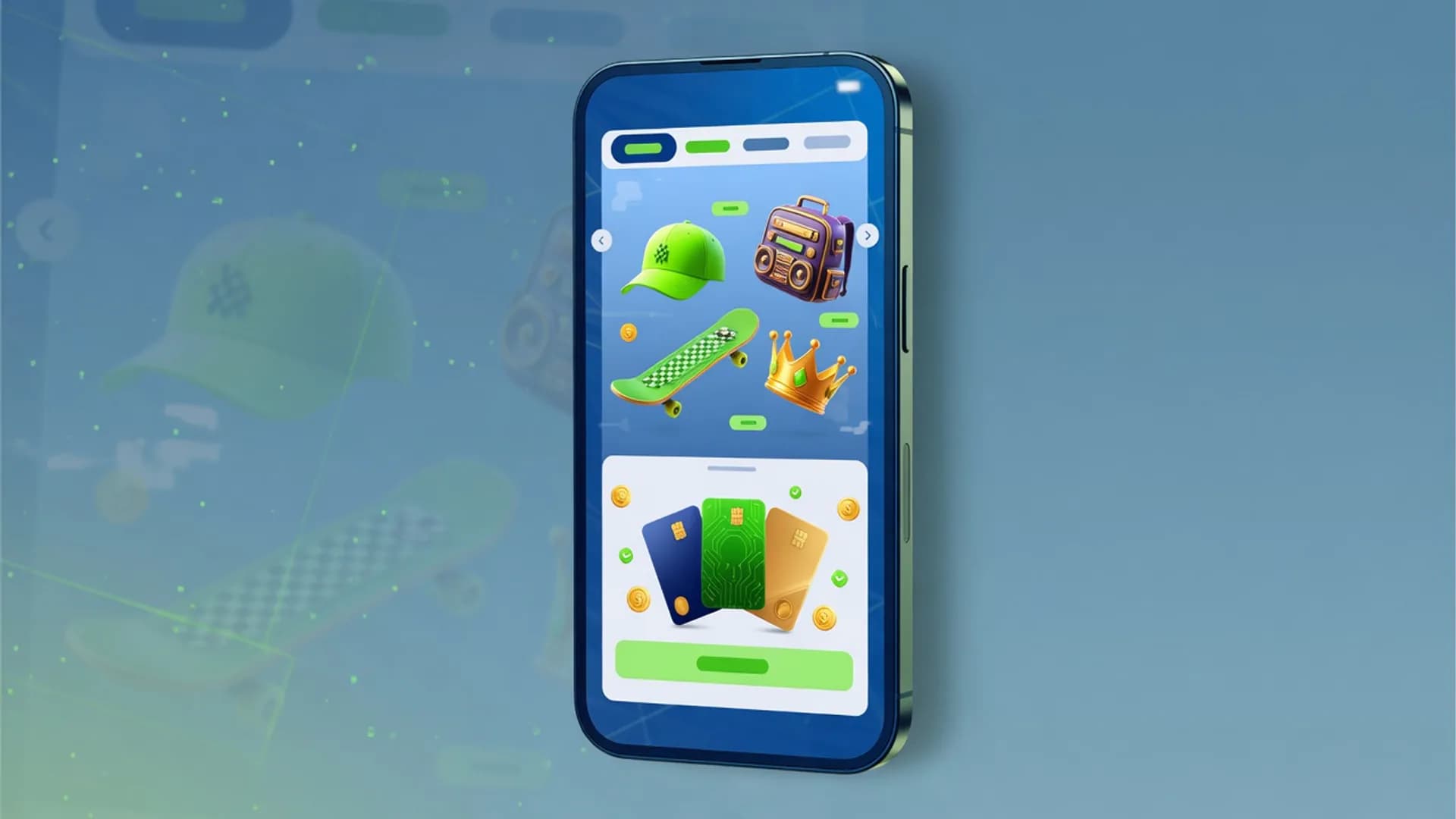
For a long time, revenue in mobile games worked the same way: a game was published in the store, payments were collected through the store, and the split followed platform rules. That setup is changing now. Direct-to-consumer sales, web store usage, alternative payment options, and shifting fee structures are redefining how mobile game companies collect and share revenue. This is not just important for developers; it also matters in terms of how the player reaches the payment screen, which channel takes the lead, and where pricing is ultimately set.
Google and Unity Are Moving in the Same Direction
The most visible side of this shift is happening on the Google Play front. Google has announced a broad update that gives developers more control over payments. The new structure introduces lower fees for eligible apps and games. It also opens the door to alternative billing systems and external web purchases.
The critical point here is that developers no longer have to rely on a single payment gate. They can now offer Google Play Billing alongside alternative payment systems or off-platform web purchase options. They can even design their own billing choice screens. Google is also separating the service fee from the billing fee. The service fee drops to 10% for the first $1 million in annual revenue. The billing fee applies as an additional 5% only to transactions made through Google Play Billing. No extra fee is charged on purchases made through alternative billing or external web links.
A similar direction is also visible on the Unity side. Unity IAP 5.4 brings full DTC commerce features that let developers sell directly to players. Studios can launch their own branded web stores through Unity Dashboard in a matter of hours. No custom engineering stack is required. The system automatically syncs with the in-game IAP catalog.
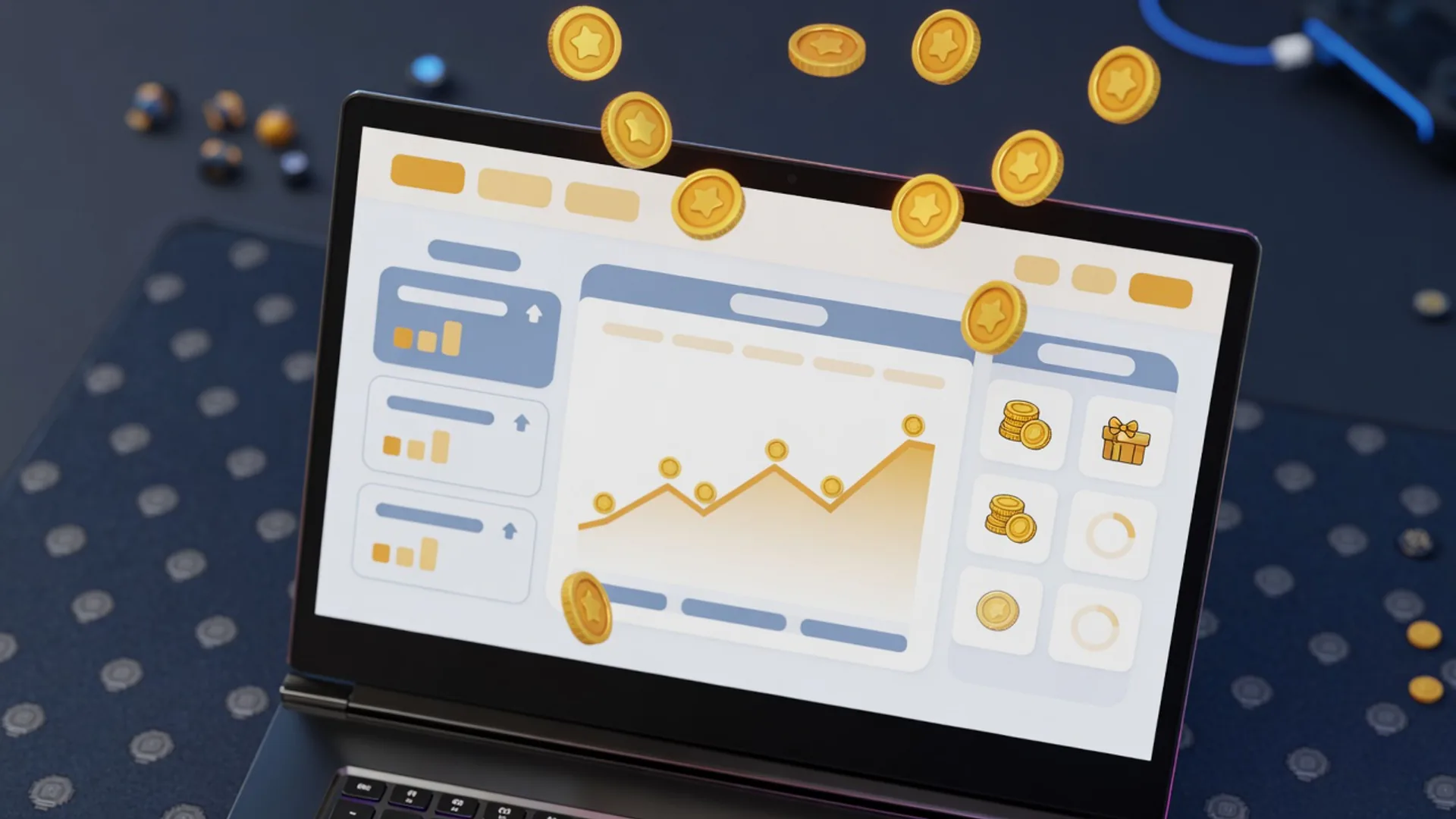
Another important detail on Unity’s side is the fee structure. The company says it does not charge developers an additional fee to set up or operate a web store. Studios only pay the standard fees of the payment provider they choose. That makes the DTC model especially accessible for mid-sized teams.
In-Game Examples Show the Model Is Working
Theory alone is not enough. The real change is shown by game examples. Jurassic World Mobile Game shifted 26% of its iOS spending to a direct-to-consumer payment channel in a short time through its partnership with Appcharge. Checkout conversion rates also doubled in this new channel. This is a concrete sign that player behavior can change when they are routed away from the in-app store and into a web-based payment flow.
World of Dokkaebi is another game that tested a different revenue structure. The game stayed at the top of the Google Play revenue charts for 16 consecutive days and drew attention with its unconventional monetization model. In the game, free or low-spending users can earn some paid items by playing. At the same time, the developer began reducing in-game currency rewards while expanding paid progression products. That represents a shift in balance that could weaken the purchasing power of free players.
What is interesting here is that the game’s revenue comes not only from direct sales but also from a market-like internal economy. A currency bought with real money, another currency used for progression, and a third currency used for player-to-player trading all operate within the same system. Through this structure, the developer can generate revenue without directly selling certain items to players. However, the latest changes have raised questions about how sustainable this model will be in the long run.
New Models Also Affect the Player Side
The DTC transition changes not only company revenue sheets but also player purchasing habits. The Early Access Pay system tested in Honor of Kings is a good example. The system is currently running as a pilot in China, limited to skins for three popular heroes. Players can use a skin for a month by paying around one-tenth of the full price. As monthly payments continue, the structure creates a path toward permanent ownership. This model offers a payment experience similar to installment plans.
The key point in this example is that the game makes premium content accessible over time rather than all at once. But the system has limits. The pilot only covers skins for three heroes, and whether the scope expands will depend on conversion rates and player retention data.
Dream Games has also changed its monetization approach. Interstitial ads and rewarded ads were added to Royal Match. The company had long positioned the game with a “no in-game ads” promise, so the shift drew attention. A similar ad-based extra revenue approach had previously been tested in Royal Kingdom, where ads quickly accounted for around 20% of total revenue. On the Royal Match side, the change sparked a wave of backlash in user reviews.
This shows that hybrid monetization is becoming more common. IAP, advertising, and web stores are all being combined in the same structure. Instead of depending on a single revenue stream, studios are building fragmented models based on different player spending habits. The fact that web stores have become almost “must-have” in the mobile game market over the past few months confirms this. Some games are now specifically designed so that extra in-game currencies are purchased through the web store. In some cases, those currencies even replace real money in store transactions. That changes the feeling of the purchase itself.
This is where the DTC shift in mobile game revenue really matters. The billing screen, the web store, and alternative payment paths are no longer just technical options; they have become central decision points in the revenue model.
The Revenue Model No Longer Runs Through a Single Gate
All of these examples point to the same conclusion: monetization in mobile games is moving away from the standard in-store sale toward a more flexible structure. Google is rebuilding its fee system. Unity is giving developers the ability to launch their own web stores. Games, meanwhile, are testing how to turn that infrastructure into real revenue flow.
The direction of the transition is clear. But which model will last will depend on player payment behavior and how well developers can balance the flow.
Sources
- https://www.reuters.com/business/fortnite-return-google-play-worldwide-2026-03-04/
- https://www.thelec.net/news/articleView.html?idxno=15032
- https://www.gamigion.com/unity-launches-d2c-platform-for-mobile-game-developers/
- https://www.merchantseye.com/news/jurassic-world-mobile-game-shifts-26-of-ios-spend-to-dtc-payments-within-weeks-f60354e5
- https://respawn.outlookindia.com/gaming/gaming-news/google-play-revamps-billing-with-lower-developer-fees
- https://respawn.outlookindia.com/gaming/gaming-news/honor-of-kings-china-skin-rental-early-access-pay
- https://felixbraberg.substack.com/p/dream-games-brings-interstitial-ads
- https://www.gamerefinery.com/mobile-game-market-review-april-2026/