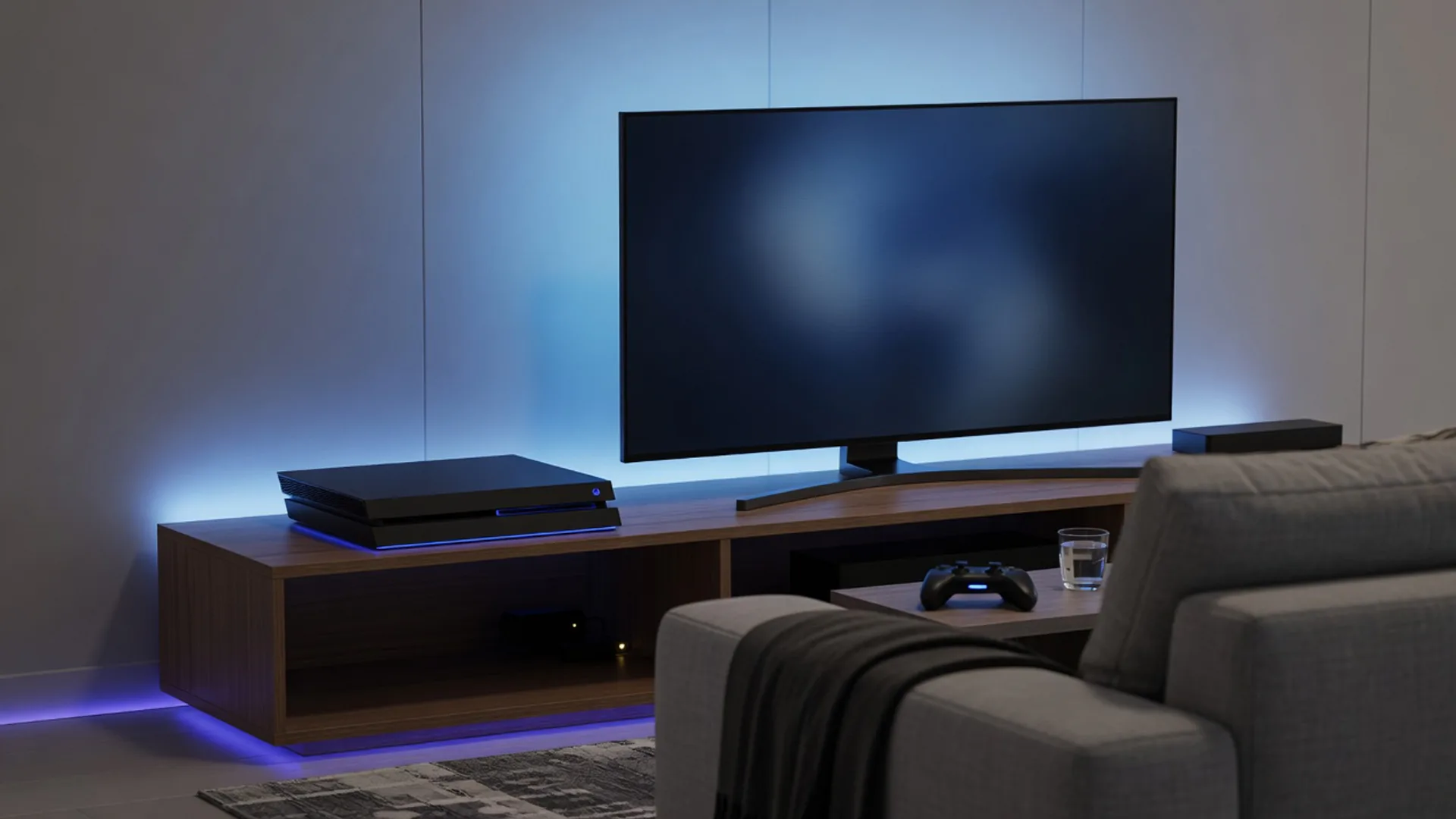
What Changed in Monitor and Console Hardware in Summer 2026?
Summer 2026 hardware updates focused on sharper visuals, smoother responsiveness, bigger storage, and quieter console revisions.
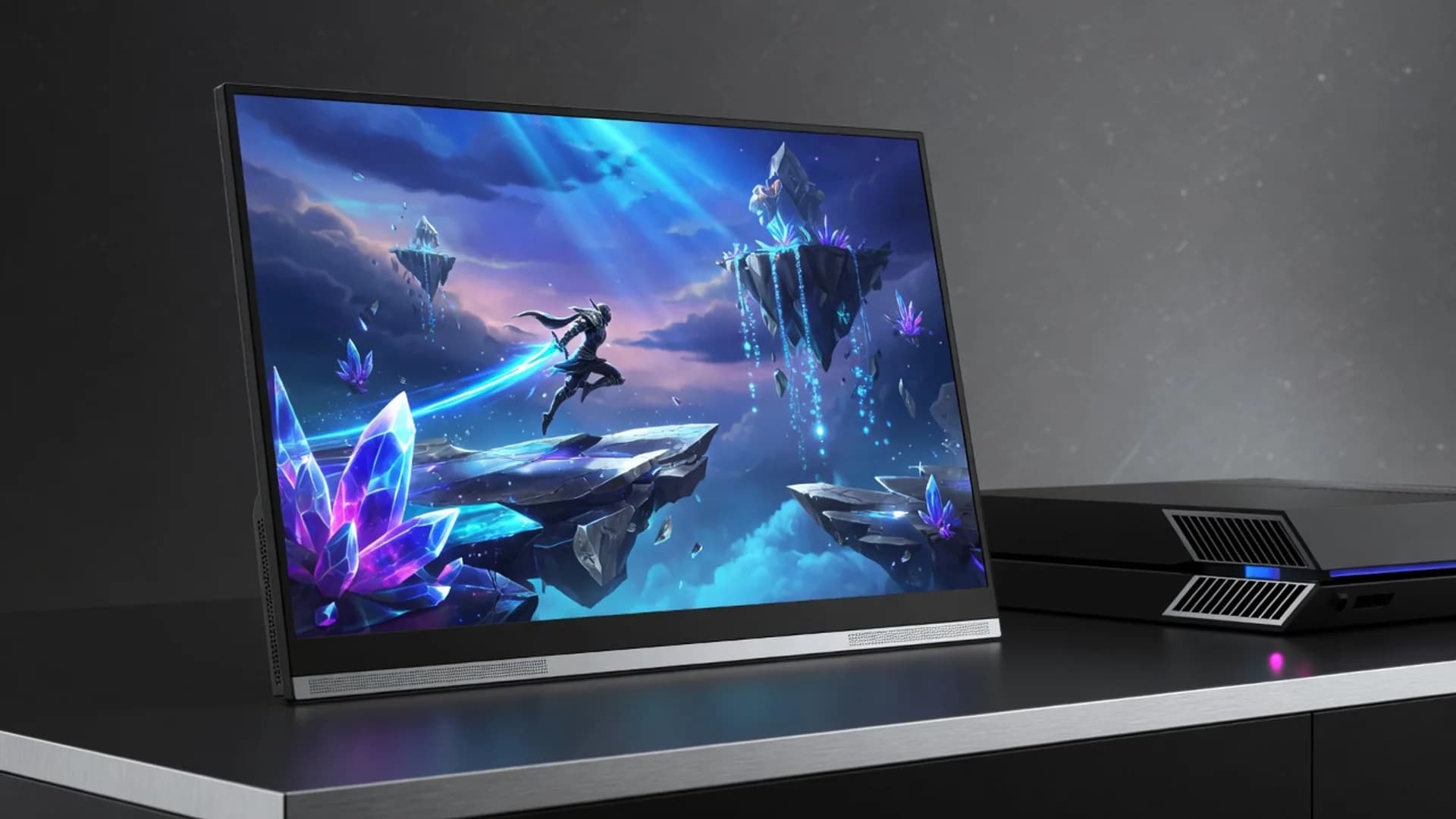
What became the focus of next-gen monitors?
The updates announced over the last 30 days aimed at two needs at once on gaming hardware: clearer image quality and more responsive motion. The standout monitor models combined 4K resolution with refresh rates of up to 240 Hz. That meant not only a high pixel count, but also a smoother flow in fast-moving scenes.
The real shift here was that high resolution was no longer being sold on its own. Manufacturers also bundled Variable Refresh Rate (VRR) support and advanced HDR calibration options into the package. VRR reduces the feeling of stutter by bringing the display’s refresh rate closer to the game’s frame rate. HDR, meanwhile, delivers brightness and color detail in a more controlled way. These two features became just as notable as resolution itself.
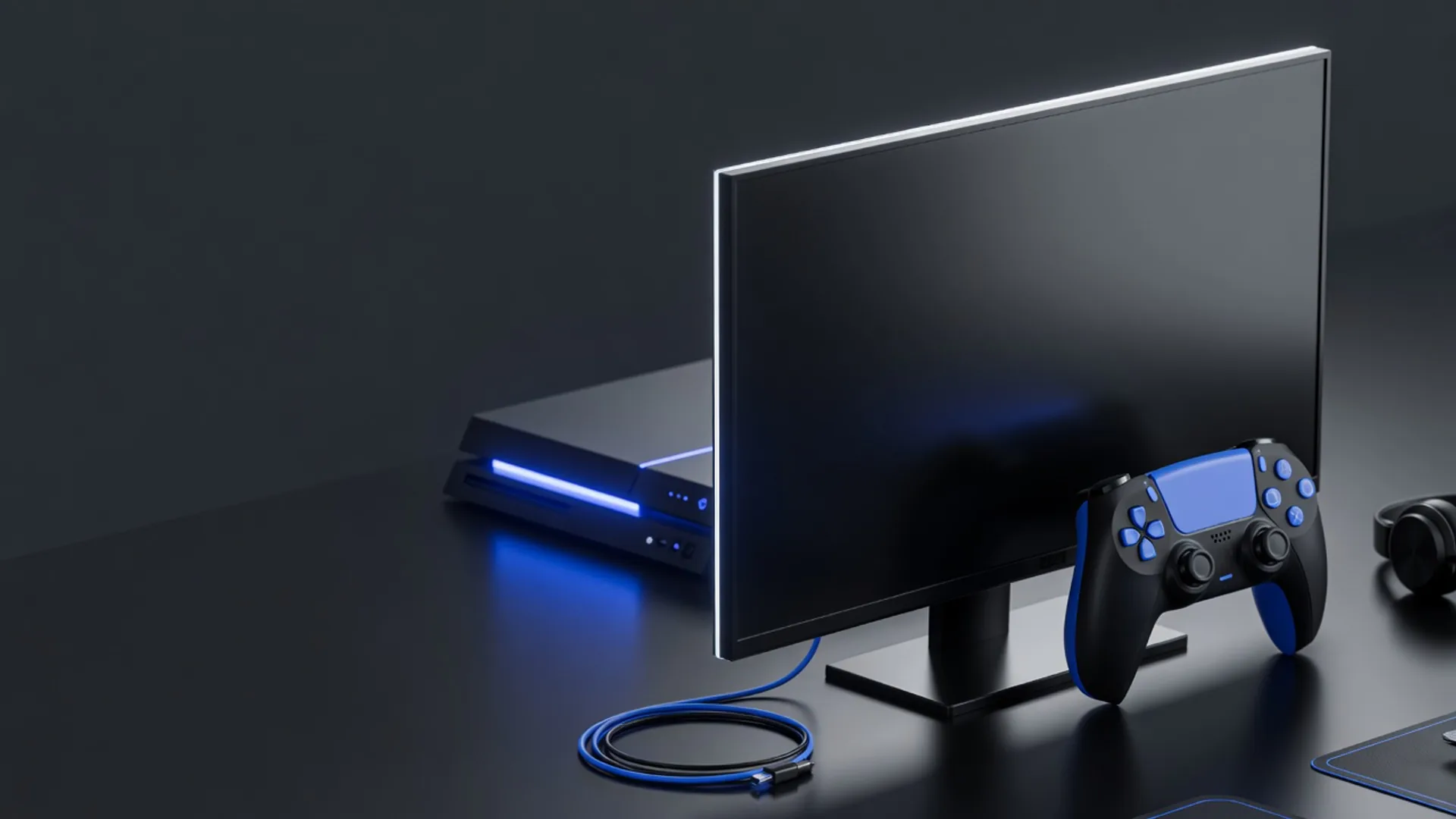
What made the monitor updates important was that they weren’t only relevant to PC players, but to console players as well. The new models appealed to anyone looking for more stable visuals and more consistent responsiveness on consoles too. For users who care about image quality not as a standalone feature but as part of playability, this approach felt more meaningful.
Why did 4K 240 Hz and HDR in the same package matter?
In the past, high refresh rates were sought for fast-paced games, while better color and brightness were reserved for cinematic games. In the latest monitor reveals, that divide became a little less clear. 4K resolution increased image detail, while refresh rates of up to 240 Hz aimed to reduce the sensation of lag in rapid motion. Advanced HDR calibration added image accuracy to the mix.
From a technical standpoint, this combination offered a practical advantage, especially for users who play both competitive and visually rich games on a single display. By reducing the need to shop for separate monitors, this approach simplified hardware choices. Users could keep using a high-resolution display for desktop work while still preserving fluidity in games that demand quick response.
At this point, the headline The Hardware Race Around Nintendo and PlayStation Is Getting Fiercer also serves as a reminder of the competitive pressure in the same period. In hardware, it’s no longer just about power — ease of use and flexibility in settings are also coming to the forefront.
For console players, the meaning of these features is slightly different. Displays that support high frame rates make the console’s smoother modes more visible. HDR calibration, meanwhile, presents the game’s lighting and color information in a more balanced way. In short, monitor updates stood out not just as technical specs, but as a direct part of the user experience.
Sources
- https://www.ign.com/articles/new-2026-gaming-monitors-4k-240hz-and-hdr-features
- https://www.gamespot.com/articles/summer-2026-console-hardware-revisions-explained/1100-6526408/
- https://www.gamesradar.com/best-new-gaming-monitors-2026-refresh-rate-vrr/
- https://www.eurogamer.net/next-gen-console-storage-and-cooling-updates-summer-2026
- https://kotaku.com/gaming-monitor-upgrades-2026-pc-console-hardware-1851588765