
Price and Reliability Concerns Grow Around Steam Machine
Valve’s Steam Machine is facing two early questions: a higher-than-expected price and the first reported hardware fault.
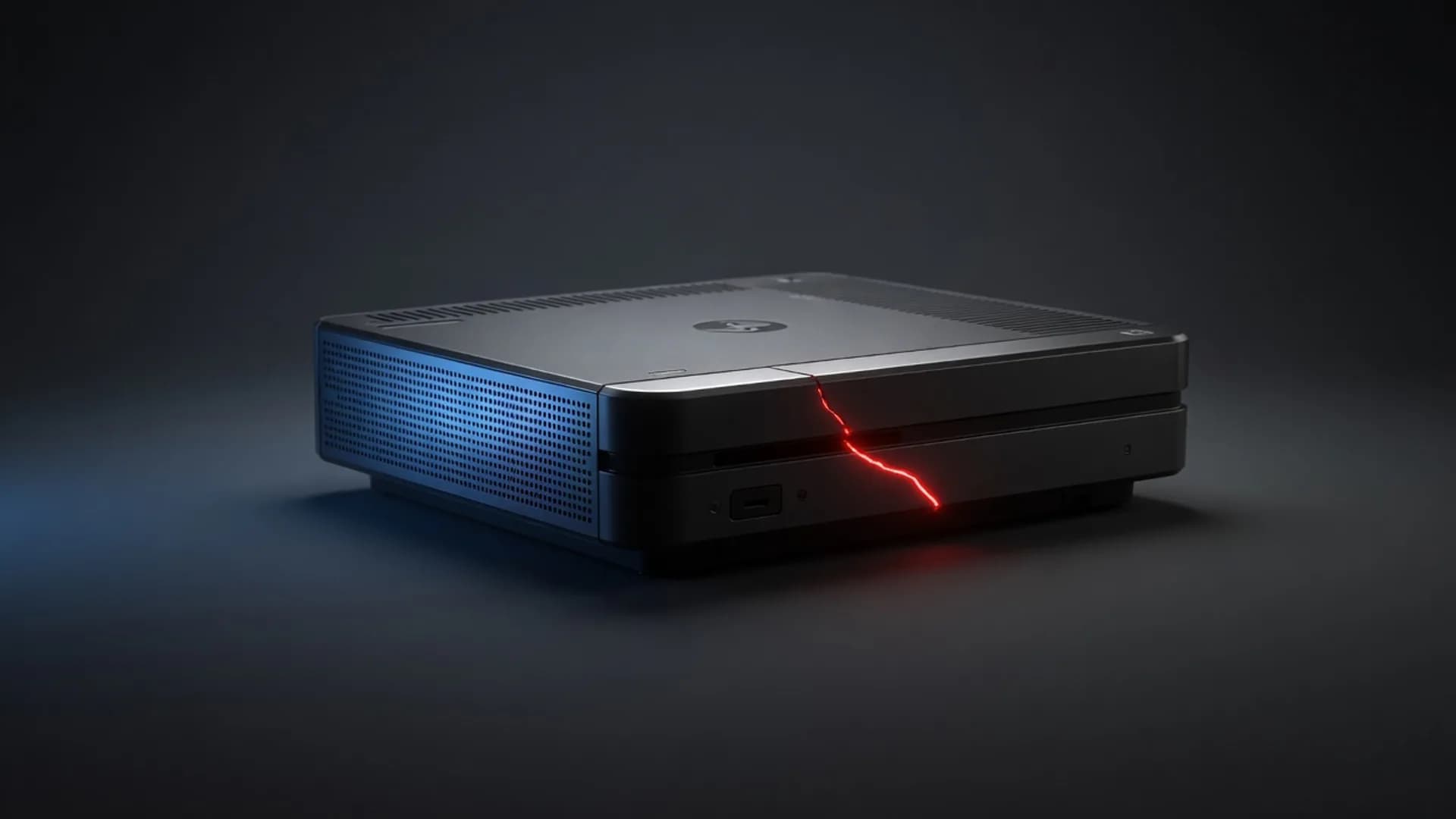
Valve’s Steam Machine push, on paper, promises a level of ease of use close to a console. But for now, the picture doesn’t look quite that smooth. Statements from the company itself suggest the device is costing more than expected. On top of that, the first “red death line” case has surfaced, and now it’s not just the new hardware’s price being discussed, but its reliability as well.
The base model of Steam Machine starts at $1,049. That price clearly conflicts with the idea of positioning the device as an “entry-level” option. Valve engineer Yazan Aldehayyat says the company wanted a more accessible starting price, but component costs made that impossible. At this point, the problem isn’t just the price of parts; manufacturing, shipping, and distribution also push the total cost higher.
Why is Steam Machine more expensive than expected?
The picture Valve describes also shows how squeezed the hardware market is today. Lawrence Yang’s comments reveal that components are not only expensive, but also not available in sufficient quantities. It doesn’t look easy for the company to deliver the product it wants, at the price it wants, when it wants it.
The key point here is Steam Machine’s position between a desktop PC and a console. The device aims to offer an experience suited to the living room, but that goal often doesn’t reduce costs—in many cases, it raises them. Valve openly acknowledges this. The company’s expectation was a more accessible entry-level PC; at this stage, though, the price sits above that line.
That directly affects the device’s market position. A high price pushes Steam Machine away from being a gateway for the masses and places it in a narrower segment. Valve also isn’t making any clear promises about whether the price might come down later. The company currently isn’t sure whether waiting for component prices to drop is a smart move.
What does the first red death line case tell us?
While the price debate continues, the device’s first fault report has also entered the conversation. One of the first Steam Machine units reportedly showed the issue known as the “red death line.” The term is used for a serious error that indicates the device is no longer operating normally. The important part here isn’t that this was a single user case, but that such an example appeared this early.
From what it looks like, the issue may be the kind that can be fixed with a software update. At least, that’s the initial view. It serves as a familiar reminder for new hardware: in early production waves, software can be just as decisive as the hardware itself. In that sense, Steam Machine is going through a classic launch stress test.
This is not just about a warning light. On a device that promises console-like convenience, users naturally expect fewer problems, less setup, and less maintenance. That’s exactly why the first fault example stops being a technical detail and becomes a perception issue. When the device is supposed to be “easy,” the first impression can come from the opposite direction.
The gap between Valve’s goal and market reality
Valve wants to see Steam Machine as an entry-level PC that anyone can buy. But current conditions don’t allow that. Parts are expensive, and some are in limited supply. Because of that, the company is carefully avoiding any prediction that the price will fall later.
That cautious tone matters. Early optimistic promises can quickly be undermined by market swings. Valve clearly sees that risk. Yazan Aldehayyat’s approach of saying it’s “dangerous to speculate right now” reflects that. Rather than making definite statements about price, the company wants to wait and see.
The problem Steam Machine is facing here is not new, but the impact could be harsher. Because this device is not just another PC. It’s a product that sits in the living room, is expected to feel like a console, and also carries the Steam ecosystem. That hybrid structure raises expectations. Both the price and the fault report are already cutting into those expectations.
What Valve is describing is a reminder of how fragile hardware production is today. On one side, there are component costs; on the other, the first user experience. Both can cause problems. The real test for Steam Machine starts there: it won’t be enough for the device to simply work — it will need to work at a reasonable price and without issues.
At this point, the picture around Steam Machine runs in two directions. On one side is the pressure of high costs, and on the other is the trust issue created by the first fault case. Valve’s biggest advantages may be software updates and component conditions that could change later. But for now, what’s clear is that Steam Machine has landed in the middle of price and reliability concerns before it has even launched.