Non-AAA RPGs Are Selling and Making Noise at the Same Time
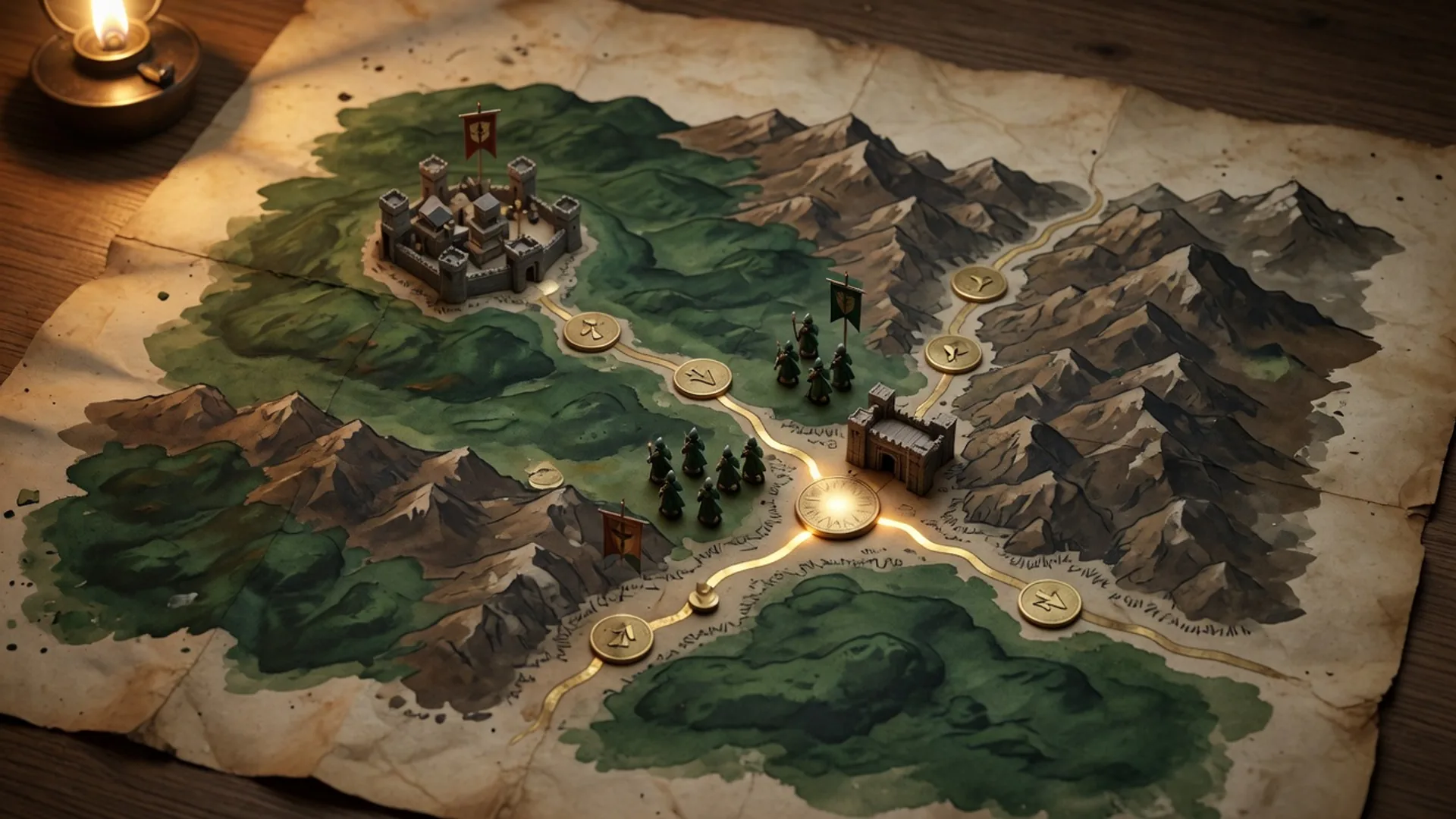
Mistfall Hunter’s open beta, Kenshi’s 3 million sales milestone, and Heroes of Might and Magic: Olden Era’s 1 million sales mark highlight how non-AAA RPGs are thriving across different styles.
While the new co-op dark fantasy RPG Mistfall Hunter was in open beta, Kenshi crossed the 3 million sales mark, and Heroes of Might and Magic: Olden Era reached 1 million sales. These three games, each standing in a different genre space, made it visible in the same week that RPG projects outside the AAA bracket can attract both player attention and commercial success.
Mistfall Hunter brings familiar genres together under one roof
At first glance, Mistfall Hunter arrives with familiar markers: Soulslike combat, co-op RPG progression, PvPvE encounters, and extraction gameplay. What makes the game interesting, though, is that it does more than just place these pieces side by side. Its structure leans especially hard into third-person melee combat, character building, and cooperation.
In the game, players head into dangerous zones, fight grotesque monsters and tough bosses, collect valuable loot, and try to get out before losing everything. The risk does not come only from the environment. Rival players are part of the same threat chain as well. That raises the same question every time: push deeper, or leave with the loot you already have?
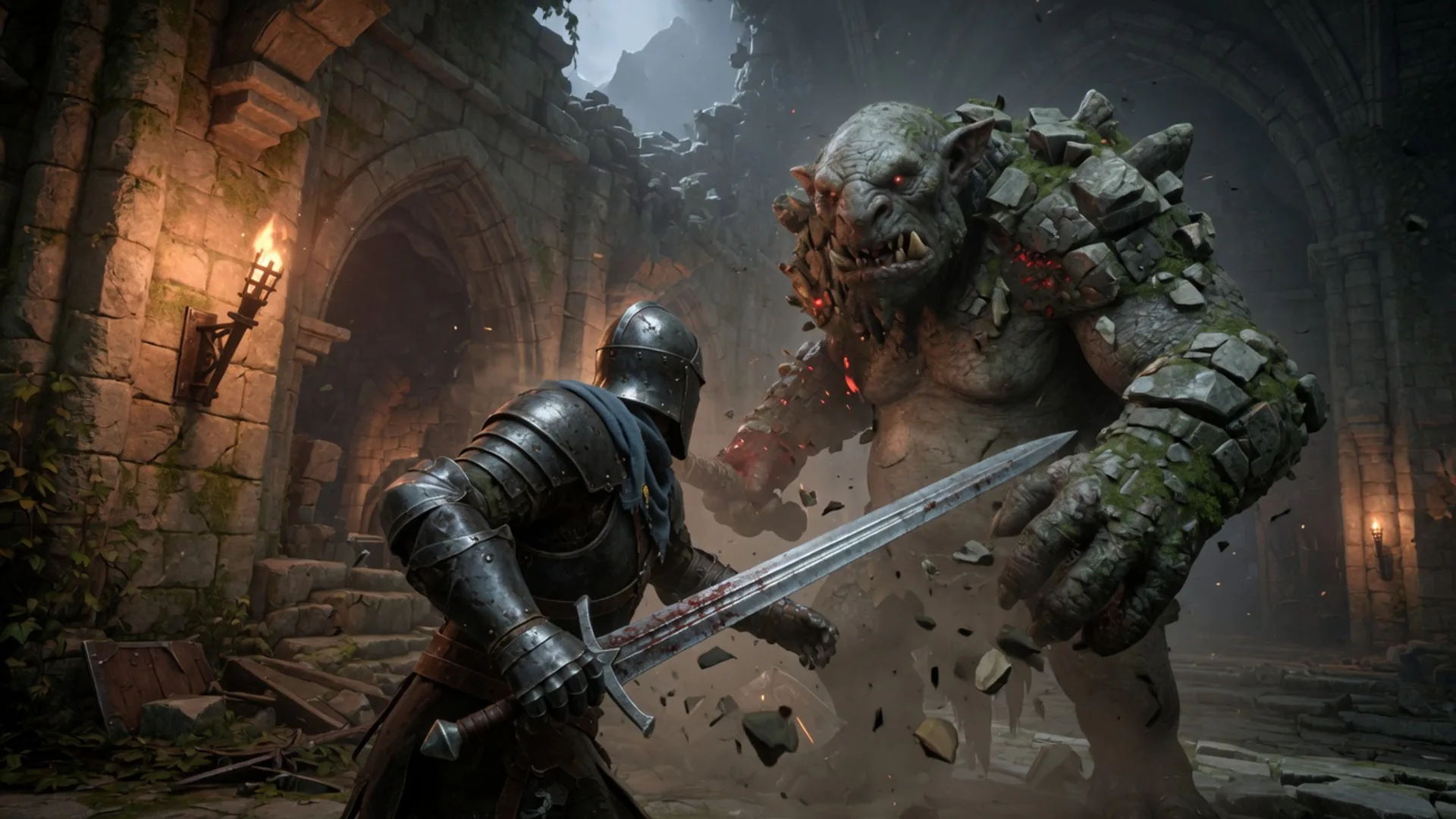
The Soulslike influence is immediately felt in the game’s combat rhythm. Dodging, stamina management, timing, positioning, and reading enemy patterns become decisive for success. Combat does not play out like random chaos; instead, it works as a measured structure that demands attention. That is one of the key factors that separates the game from similarly styled chaotic designs.
Kenshi attracted millions despite its harsh and punishing structure
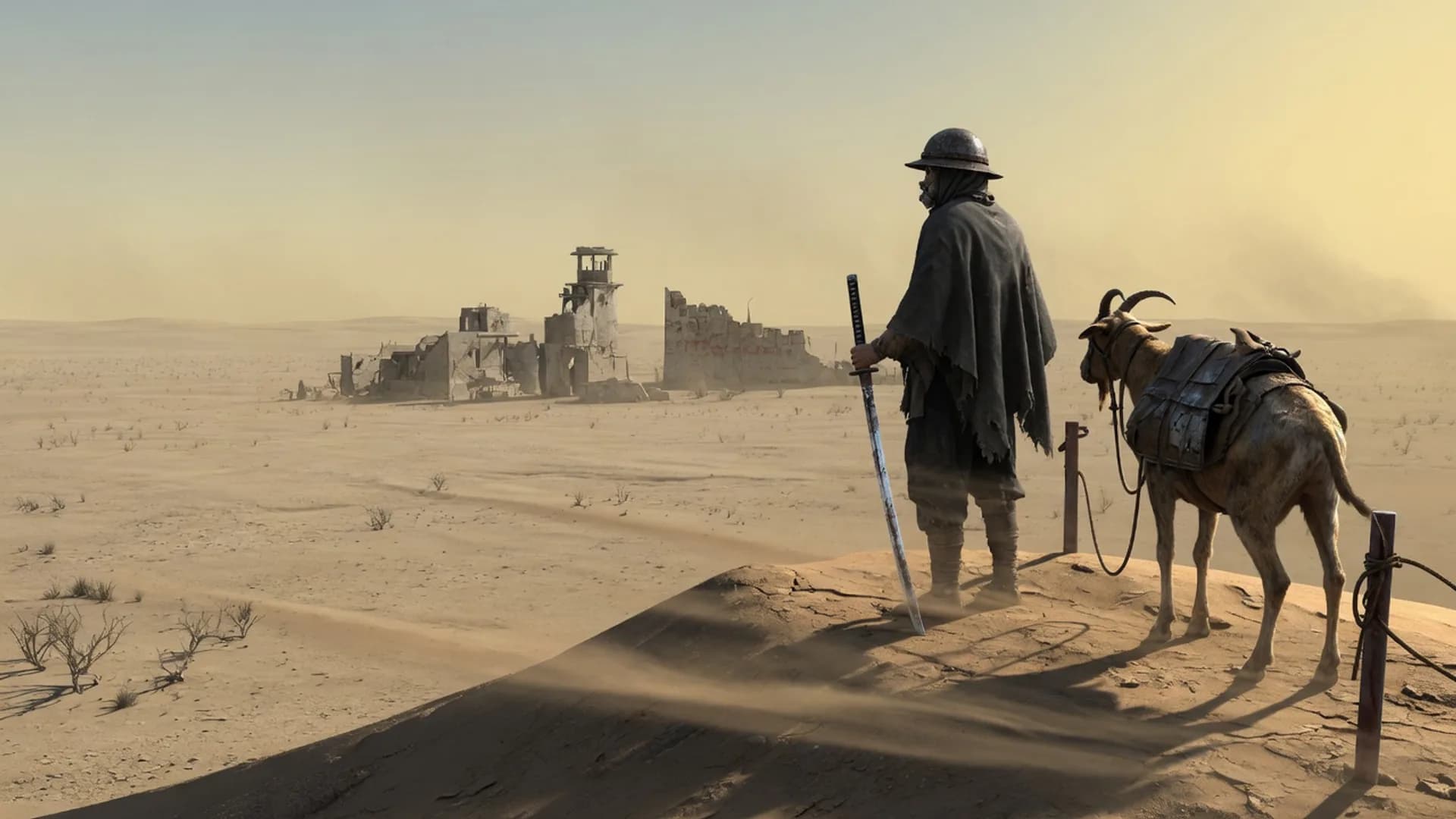
The picture is different on the Kenshi side, but the outcome is similar. The desert-set, unforgiving sandbox survival RPG has reached 3 million sales. For a game with a brutal start, dense systems, and a visually old-school presentation, that number is striking. It is clear that the game is not an easily accessible experience.
Kenshi is not the kind of game that pulls players in right away. In fact, it barely comes close to that. But once you get past the learning curve, it offers a deep sandbox. In a wasteland, it is possible to build a squad and shape the environment around your own goals. That is exactly why, despite appealing to a narrow audience, it has built a lasting player community.