
Xbox Brings Console Exclusivity Back Into the Spotlight
Microsoft’s latest survey suggests Xbox may be reconsidering a stricter exclusivity strategy, with Call of Duty remaining the key exception.
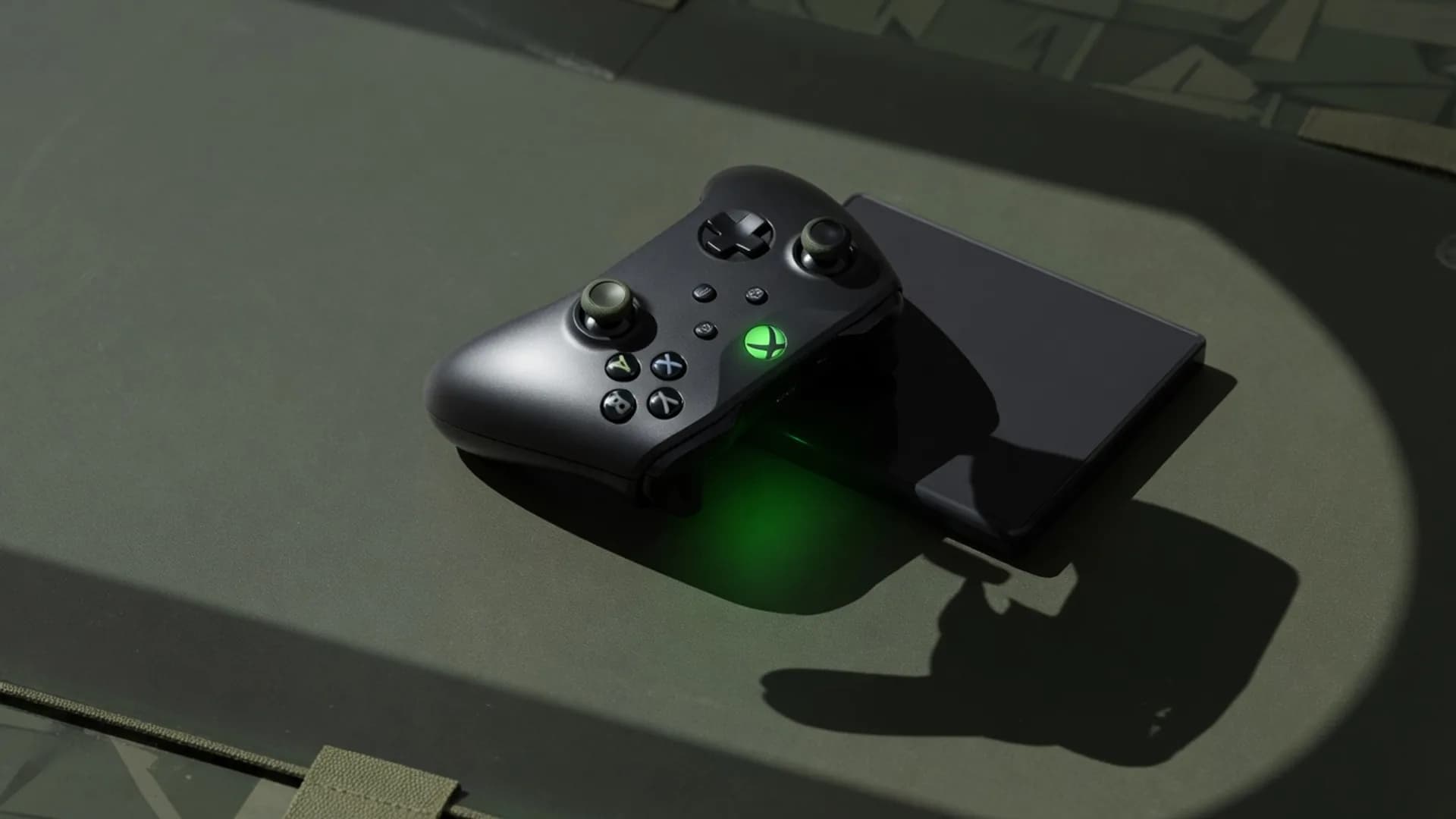
Microsoft’s new survey has reignited the possibility of a notable shift in Xbox strategy. The company is asking players how they would react if all first-party games, except for Call of Duty, once again became console exclusive. The question stands out as an important signal for Xbox’s recently more flexible publishing policy.
What is Microsoft trying to measure?
At the center of the survey is a very clear scenario. Microsoft asks players to imagine that all games developed by Xbox, except for Call of Duty, become exclusive to Xbox consoles and PC. The questions do not stop there. Minecraft is also given its own separate scenario. In this version, the game is removed from sale on PlayStation and Nintendo platforms, while existing owners can continue playing it, but new content updates would no longer arrive.
This approach shows that the company is measuring not only its exclusivity policy, but also how it affects player platform choice. The survey questions are focused on whether users would change hardware for exclusive games, or even skip certain titles altogether because of the decision. In other words, the issue is less about individual games and more about Xbox’s overall pull as a brand.
Microsoft’s multi-platform publishing push in recent years has long been a point of debate on the Xbox side. This new survey suggests the company may be considering a step back, or at least a return to a stricter line in some areas.
Which games fall into this picture?
Examples in the source include major franchises such as Fallout, The Elder Scrolls, Minecraft, and Call of Duty. Some questions test the idea of specific games being exclusive to Xbox consoles. Others explore a much broader model.
The Minecraft example, in particular, makes it clear how far the survey is willing to go. Existing versions of the game remain intact, but new sales and update support would stop on the PlayStation and Nintendo side. That suggests Microsoft may be considering a much tougher model that covers not only new releases, but also long-established brands.
Gears of War: E-Day and Clockwork Revolution were previously announced as Xbox and PC exclusives. By contrast, the possibility of Forza Horizon 6 and Fable also releasing on PlayStation 5 still appears to be on the table. So the picture on the Xbox side is not uniform. On one hand, signals point toward a much more closed model; on the other, the multi-platform approach has not been fully abandoned.
Why is the strategy being debated again?
Recent moves on the Xbox side make the survey more meaningful. Reports indicate that the company has walked back some earlier plans this year, removed Call of Duty from Game Pass on day one, and is evaluating new changes on the subscription side. That suggests a more selective phase in publishing and distribution.
The exclusivity decisions for Gears of War: E-Day and Clockwork Revolution also stand out. These two games strengthen the idea that Xbox may once again be leaning into hardware-binding content. It seems that not only bringing games to the platform, but also keeping players on the platform, is becoming important again.
Another factor shaping this line is financial pressure. Xbox is said to be going through a difficult period and trying to improve both brand perception and revenue balance. So it is not surprising that the company would want to directly measure how players react to exclusives. The wording of the survey reflects that too: Xbox is testing not just whether users like the idea, but whether they would actually spend money differently because of it.
For context, this discussion makes even more sense when read alongside moves that are changing the subscription and access model, such as A new era for Xbox Cloud Gaming: 1440p, time limits, and the codec race. Microsoft widening access on one side while tightening the exclusivity model on the other may not be contradictory at all; instead, it looks like two sides of the same strategy.
What does this mean for the player ecosystem?
If this possibility becomes reality, the biggest change would be a more controlled Xbox ecosystem. For players, that could make platform choice more important if they want access to certain major franchises. Microsoft’s survey is clearly trying to measure exactly that: Do exclusive games actually bring people back to Xbox, or do they simply trigger backlash?
The most critical point here is which games the company would include in this model. The Call of Duty exception is clearly being preserved. Minecraft, meanwhile, is being framed under a much harsher scenario. How the other major franchises are positioned remains unclear. Even that uncertainty alone suggests Xbox may be recalibrating its direction.
In the short term, it is not known whether this survey will turn into an actual decision. But what it does make clear is this: before making its next major move, Xbox is measuring the limits of its audience. And this time, the issue at the center is whether the company’s long-softened exclusivity line is about to harden again.
Sources
- https://www.ign.com/articles/xbox-reportedly-surveys-users-on-return-to-full-exclusivity-for-its-games
- https://www.vgchartz.com/article/469362/xbox-survey-asks-about-making-every-1st-party-game-xbox-console-exclusive-except-call-of-duty
- https://www.purexbox.com/news/2026/10/xbox-has-two-more-first-party-releases-in-2026-and-they-could-be-the-most-lucrative
- https://www.levelup.com/en/news/would-you-ditch-playstation-or-nintendo-for-xbox-exclusives-microsoft-teases-radical-shift-strategy
- https://news.xbox.com/en-us/2026/06/07/xbox-games-showcase-2026-recap-everything-announced/
- https://www.bbc.com/news/articles/c50mezp822peo