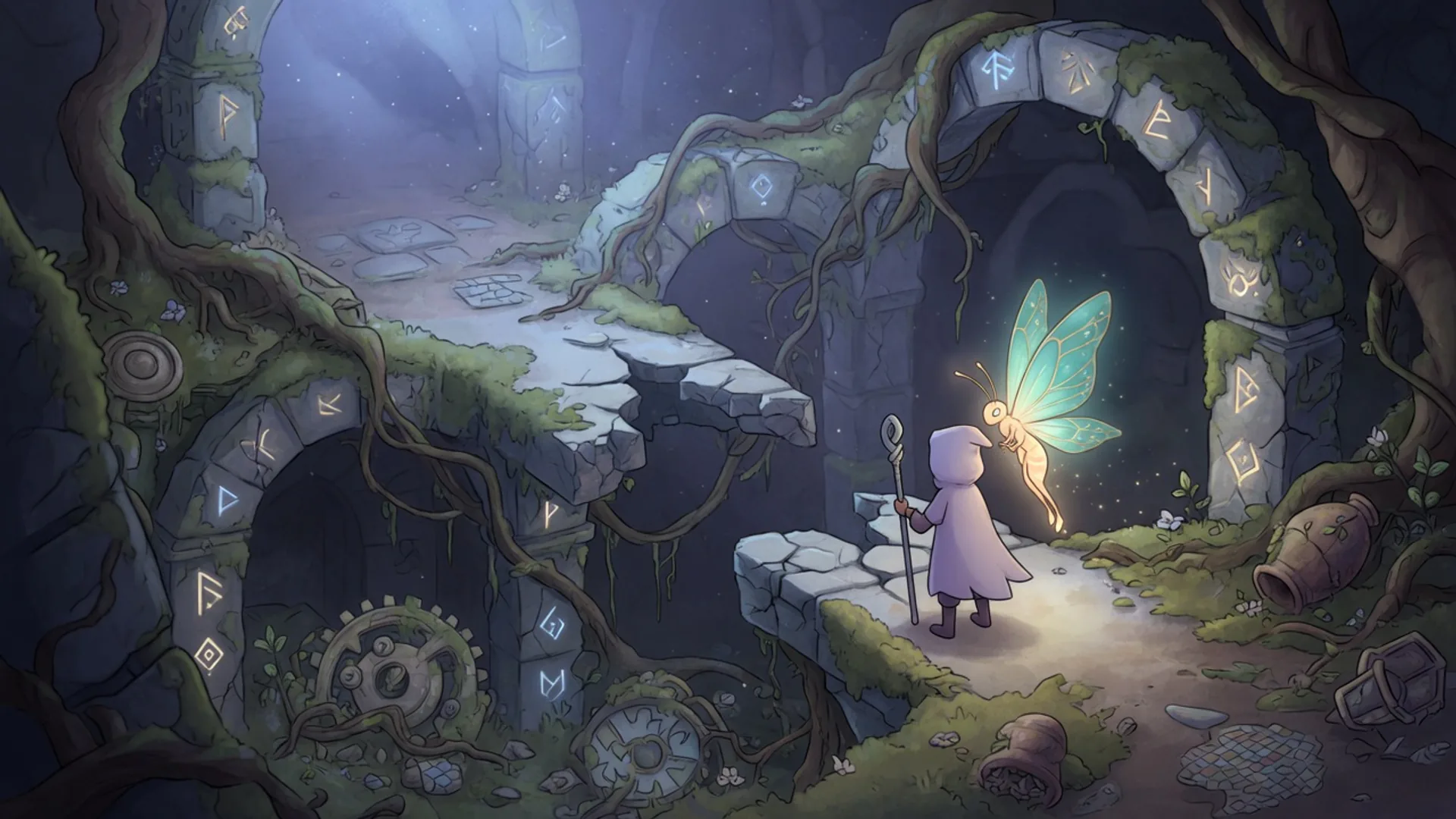
The Adventures of Elliot First Impressions: A Silent Hero, Strong Gameplay
The Adventures of Elliot makes a strong impression through its gameplay, even if its silent protagonist and uneven storytelling sometimes interrupt the flow.
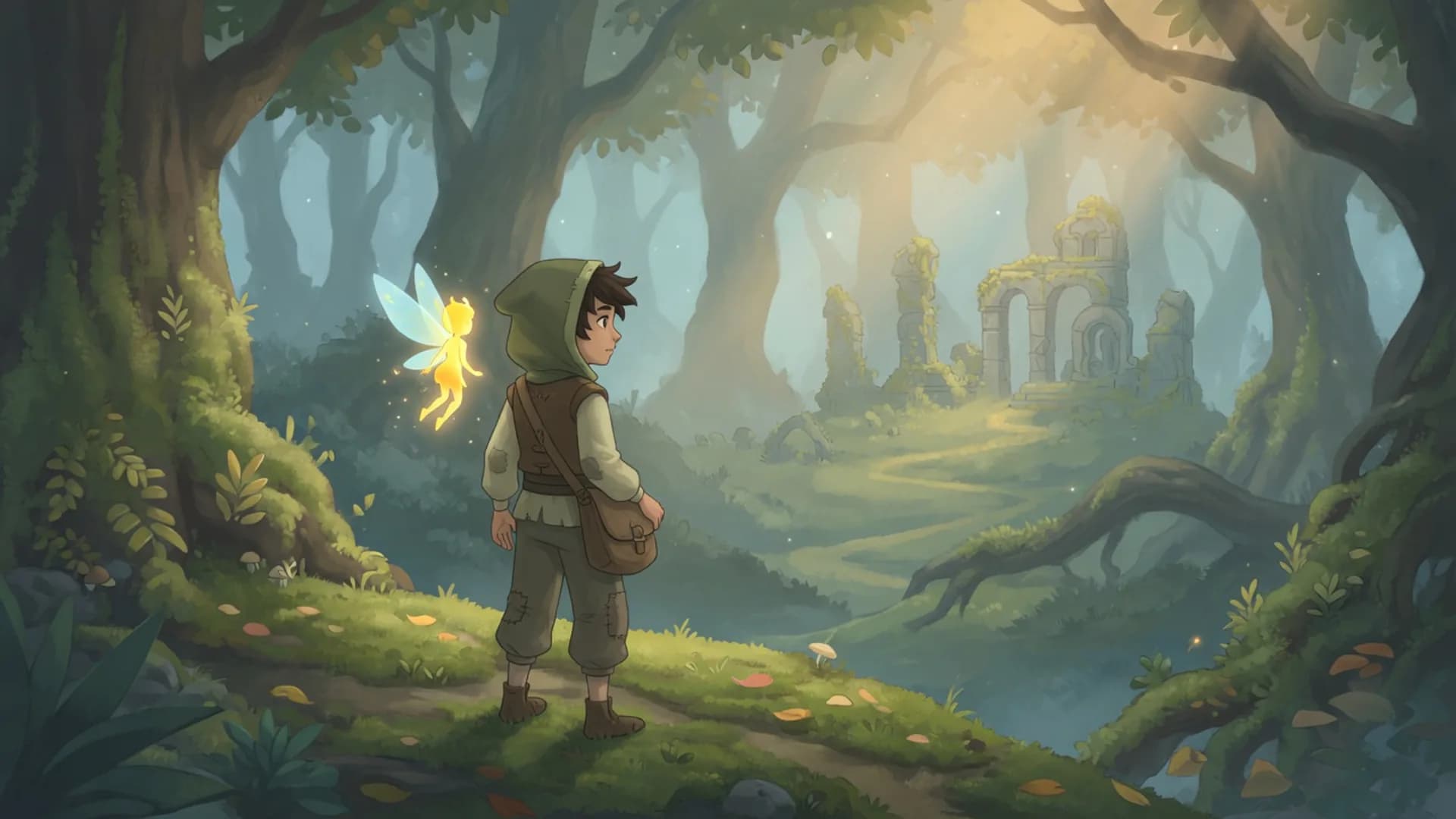
The Adventures of Elliot makes itself heard on the gameplay side, even though its silent protagonist and a script structure that frequently interrupts the flow hold it back at times.
A silent hero, a talkative world
At first glance, The Adventures of Elliot looks like a game that carries the spirit of a classic action-adventure. What sets it apart from being just another nostalgia exercise, however, is that the main character, Elliot, does not speak, and much of the burden is left to his surroundings, especially Faie. This choice does not feel like a small detail; on the contrary, it directly affects the game’s pacing.
Elliot begins as one of the few Adventurers who can leave the kingdom and is eventually swept across different eras. This structure naturally gives the story a wide field of movement. Even so, the storytelling does not always maintain the same flow. Both sources agree on this point clearly: the world is interesting, but the writing is not always tight enough to support that interest.
Faie steps into the center of the game to fill that gap. As the only small fairy Elliot can see and hear, she both comments on events and guides his thought process. This relationship makes the use of a silent protagonist feel more meaningful. Rather than leaving a non-speaking hero passive, the game builds communication around him. That becomes the story’s strongest idea.
Old-school in play, lively in rhythm
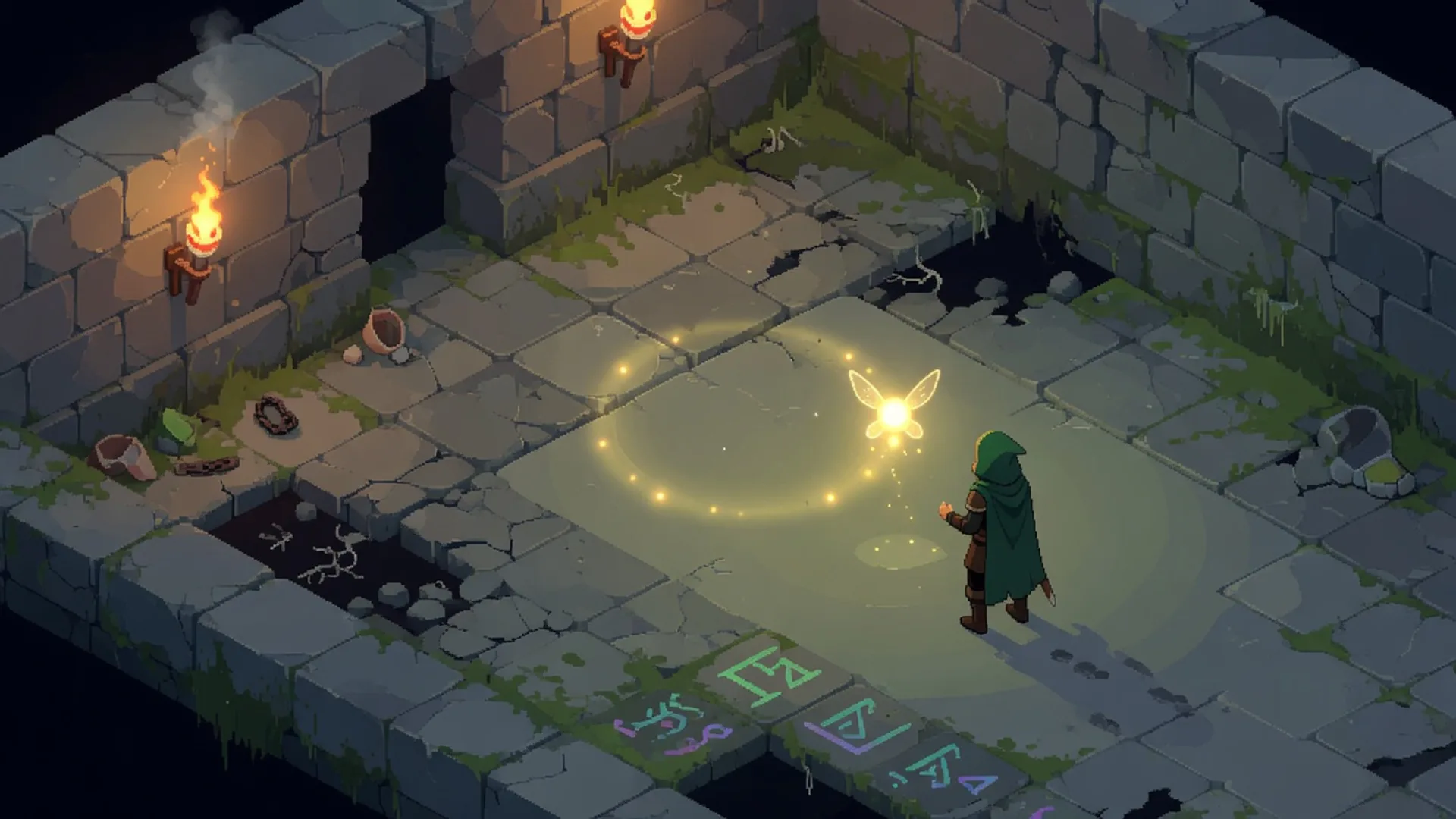
On the gameplay side, The Adventures of Elliot shows a much clearer identity. The top-down structure leans close to classic Zelda, backed by real-time combat. Battles are not turn-based; attack timing, dodging, and parrying take center stage. That gives the game a structure that demands quick reactions and keeps the rhythm lively.
Elliot’s weapon variety adds even more depth to this setup. Alongside tools like a sword, war hammer, boomerang, spear, bow, and bombs, there are more unusual options such as a chain scythe. Each weapon carries its own strengths and weaknesses. In addition, upgraded versions and charged effects keep the combat from becoming repetitive. The game’s limited enemy variety may seem like a weakness at first, but encounters that combine those enemies help balance that out to some extent.